When and How to Report Ship CII Carbon Emissions

Hello! This is OceanLook, the eyes on the world's oceans.
With the IMO strengthening carbon emission regulations,
shipping companies are now required to manage and report their CII (Carbon Intensity Indicator) every year.
However, in practice, many operators are still asking questions such as:
👉 “Where exactly should the report be submitted?”
👉 “Is it KR (Korean Register) or KOMSA (Korea Maritime Transportation Safety Authority)?”
👉 “How should the data be prepared?”
In this article, we will clearly explain:
The ship CII reporting process
The roles of each organization involved
And practical ways to prepare and respond in real operations
so that you can understand the entire process at a glance.
1. Who Is Required to Report CII / DCS?
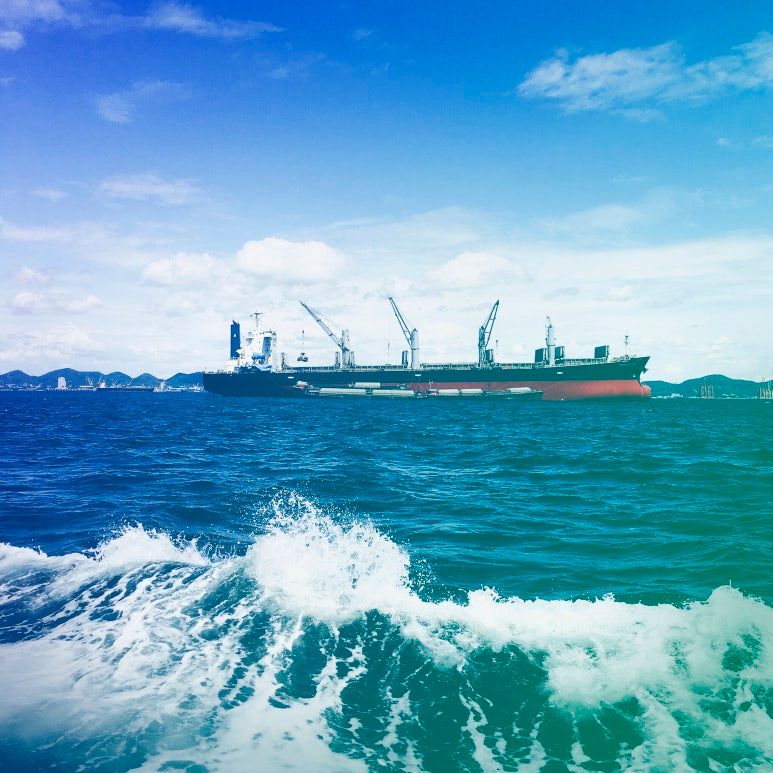
According to IMO regulations, the following vessels are required to report CII/DCS:
✔ Ships with a gross tonnage of 5,000 GT or above
✔ Merchant vessels engaged in international voyages
✔ Including cargo ships, tankers, container ships, and similar vessel types
In other words, most global merchant vessels fall under this reporting requirement.
2. Reporting Schedule (Annual Process)

CII is calculated based on the fuel consumption data reported through the DCS (Data Collection System).
✔ Reference period: January 1 – December 31 each year
✔ Submission deadline: By March 31 of the following year
Example:
Operational data from 2025 → Must be submitted by March 31, 2026.
3. Where Should CII Be Reported in Korea?
In Korea, the reporting channel for CII depends on the type of vessel.
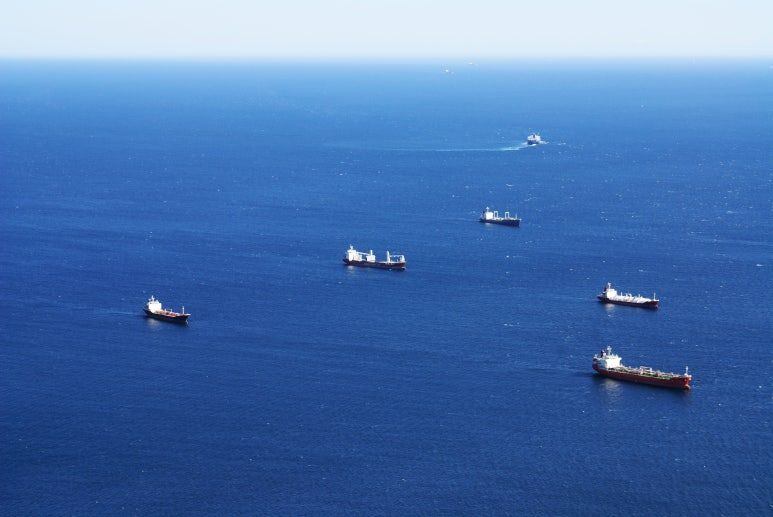
International Voyaging Ships (Subject to IMO Regulations)
Large international merchant vessels submit their reports through the following process:
Shipping Company → Classification Society (e.g., KR / DNV / BV / ABS) → Ministry of Oceans and Fisheries → IMO
✔ The classification society verifies the data
✔ Issues the SoC (Statement of Compliance)
✔ Submits the report to the IMO GISIS system
👉 In the case of Korean shipping companies, Korean Register (KR) is commonly used as the classification society.
Domestic Coastal Ships
Ships operating on domestic routes are not subject to IMO regulations, but they are managed separately under Korean government regulations.
Shipping Company → KOMSA SEM System → Ministry of Oceans and Fisheries
✔ Operating authority: Korea Maritime Transportation Safety Authority (KOMSA)
4. What Data Should Be Prepared for KR DCS/CII Submission?
When submitting data to a classification society, the following three key types of information are required:
① Vessel Information
- IMO number
- Vessel type (Container, Bulk, Tanker, etc.)
- DWT / GT
② Operational Data
- Distance travelled
- Hours underway
- Loading condition (Laden / Ballast)
- Transport work
③ Fuel Consumption
- Fuel consumption by type (HFO / MGO / LNG, etc.)
- Separated by Main Engine / Auxiliary Engine / Boiler
These data points are used to calculate the vessel’s CII performance.
5. What Is the Most Challenging Part in Practice?

Many shipping companies commonly face the following challenge:
Collecting Operational Data
- Calculating voyage distance
- Calculating hours underway
- Measuring port stay time
- Identifying and separating voyages
👉 In most cases, these tasks are still handled manually or rely heavily on noon reports.
Solution: AIS-Based Automation
By utilizing AIS data, shipping companies can automatically generate key operational metrics:
✔ Automatic distance calculation
✔ Speed-based calculation of hours underway
👉 This makes it possible to automatically generate more than 70% of the data required for DCS reporting.
Solve It All with the Oceanlook CII Simulator
At Oceanlook by EcoMarine, we provide a feature that allows shipping companies to simulate CII performance in advance using vessel AIS data.
Try it now
👉 https://www.oceanlook.net/ship/cii
✔ Key Features of the Oceanlook CII Simulator
- Pre-calculation of expected CII ratings (A–E)
- Simulation based on changes in sailing speed
- Emission calculations based on fuel consumption
- Support for automatic generation of DCS submission data
Recommended for Shipping Companies That:
- Operate vessels at risk of CII rating deterioration
- Want to automate DCS data collection
- Are reviewing fuel optimization or slow steaming strategies
- Need to establish ESG and carbon management systems
🧭 6. CII Management Will Become Even More Important
IMO regulations are expected to become increasingly strict in the coming years.
✔ Operational restrictions for vessels rated D or E
✔ Mandatory submission of SEEMP improvement plans
✔ Possible carbon tax implementation in the long term
👉 This means shipping companies’ operational strategies themselves will change.
✨ Conclusion
CII reporting is no longer just a compliance task.
It has become a key indicator that directly impacts operational strategy and profitability.
Going forward, companies will need to shift from:
👉 “Year-end data adjustment”
to
👉 “Real-time monitoring throughout the year.”
Oceanlook Can Help
Through AIS-based data and analytics technology,
Oceanlook supports shipping companies in carbon emission management and regulatory compliance.
👉 Run your CII simulation now
🔗 https://www.oceanlook.net/ship/cii