Chaos Unfolds at European Ports – The First Shockwave of Global Logistics Restructuring
Hello from The Eyes of the World’s Oceans!
The restructuring of global shipping alliances is now in full swing, and it's triggering serious disruption at major European ports.
New vessel deployment schedules—combined with strikes, adverse weather, and yard congestion—are causing delays and operational challenges across terminals.
Ports in Belgium, Germany, and the Netherlands are especially affected, with container backlogs and overflow conditions escalating.
Shippers, forwarders, and logistics managers are now on high alert.
Today, we’ll break down what’s happening, where the pressure points are, and what logistics risks to prepare for in the weeks ahead.
What’s Driving the Congestion? Fleet Reallocation & Alliance Shifts
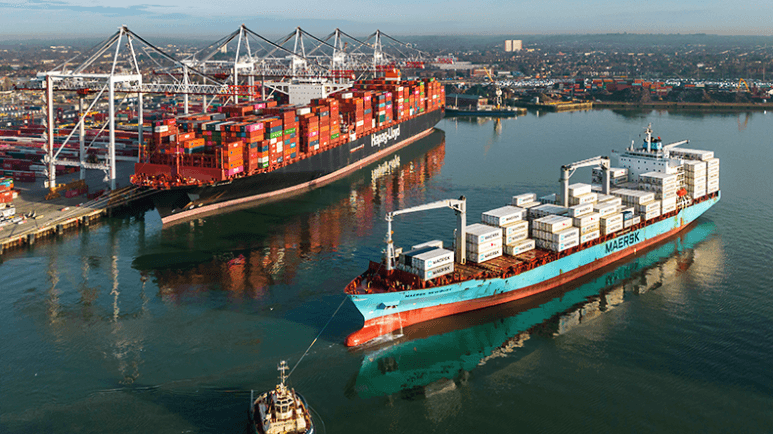
- Maersk and Hapag-Lloyd’s new service realignments and alliance transitions are at the heart of the disruption.
- Phase-in and phase-out of vessels have caused schedule breakdowns across many routes.
- Other major carriers like MSC and CMA CGM are also reshuffling vessel assignments or halting some services—intensifying the congestion.
Where Are the Worst Bottlenecks?
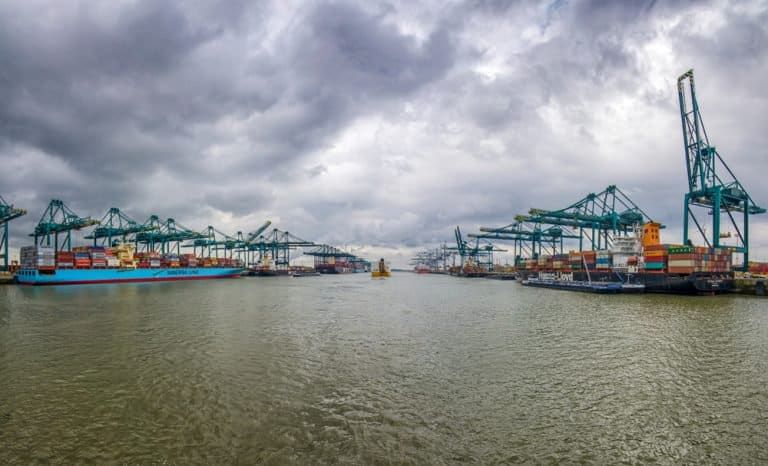
- Northern Europe – Belgium, Germany, Netherlands
- Severe delays at key terminals: Antwerp, Rotterdam, and Hamburg
- Container yards are full—terminal gate access is now restricted
- Ripple effects are hitting barge and rail inland transport → Potential inland delivery paralysis
- Southern Europe
- Piraeus (Greece), Genoa (Italy), and other Mediterranean ports report berth waiting times exceeding 4 days
- Congestion spreading across the entire Med region
Overflowing Container Yards & Rising Costs

- Terminal gate restrictions are driving up storage, demurrage, and detention fees
- Low water levels on the Rhine River are constraining inland barge capacity
- Trucking shortages and driver availability issues are further increasing logistics costs
It’s Time to Rethink Your Logistics Strategy
This is not a temporary problem.
It marks the beginning of a structural shift in global shipping and logistics driven by alliance realignments.
Here’s what exporters and importers should prepare for:
- Diversified routing and alternative port strategies
- Improved container turnaround via smarter inventory planning
- Stronger collaboration with European logistics partners
“It’s no longer those who wait, but those who prepare that will survive.”

In an unprecedented logistics disruption like this, relying on outdated routines is no longer an option.
Now is the time to reset your Europe logistics strategy.
Stay ahead of the curve by continuously monitoring global shipping shifts and preparing agile contingency plans.
Only businesses with data-driven visibility and responsive planning will stay competitive in today’s volatile logistics environment.
Proactive Monitoring with OceanLook
OceanLook provides real-time vessel and port intelligence around the world—
helping you detect disruptions early and build tailored, strategic responses.
With accurate AIS data and live port conditions, you can respond faster, reduce costs, and protect your global supply chain.
Lead the new era of global trade with OceanLook by your side.
Until next time,
The OceanLook Team